

Eating well during pregnancy does not have to mean buying expensive organic groceries, specialty snacks, or premium prenatal meal kits. With a little planning, you can build balanced meals from everyday foods available at most U.S. supermarkets, discount grocery stores, farmers markets, and warehouse retailers.
Pregnancy changes your nutritional needs, but the basic principles of affordable healthy eating remain familiar: include a variety of fruits and vegetables, choose whole grains when practical, eat protein-rich foods, and obtain important vitamins and minerals through food and recommended prenatal supplements. Frozen vegetables, canned beans, eggs, oats, brown rice, seasonal fruit, and plain yogurt can all help make a nutritious eating plan more affordable.
The best approach is to focus on the foods you can consistently afford and enjoy rather than trying to follow a perfect diet. Your needs may also change as pregnancy progresses, particularly if you experience nausea, heartburn, constipation, appetite changes, or a medical condition that requires a specific eating plan.
This guide explains how to manage pregnancy nutrition on a budget throughout the first, second, and third trimesters, including grocery-shopping strategies, inexpensive meal ideas, essential nutrients, and resources that may help eligible families access food assistance.
Why Nutrition Matters During Pregnancy
Your body undergoes significant changes during pregnancy. Blood volume increases, the placenta develops, and your growing baby needs nutrients to support the development of the brain, spinal cord, bones, organs, and other tissues. Eating a varied diet helps support these processes while also meeting your own nutritional needs.
A healthy pregnancy diet does not need to be complicated. Many important nutrients are available in familiar foods. Beans and lentils provide protein, fiber, folate, and iron. Eggs supply protein and choline. Milk and fortified alternatives can provide calcium and vitamin D. Fruits and vegetables offer vitamins, minerals, and fiber, while whole grains supply carbohydrates and other nutrients that help fuel daily activities.
The American College of Obstetricians and Gynecologists explains that healthy eating during pregnancy involves choosing a variety of foods and getting the nutrients needed for maternal health and fetal development. Its guidance also emphasizes that pregnancy is not a reason to double your usual food intake.
Instead of spending more money on every grocery item, start by identifying the nutrients you need and the inexpensive foods that can supply them. A simple combination of beans, rice, eggs, vegetables, fruit, and dairy or fortified alternatives can form the foundation of many balanced meals.
You can read more in the ACOG guide to healthy eating during pregnancy.
How to Plan Pregnancy Nutrition on a Budget
Planning your meals can become easier when you also organize your prenatal appointments and pregnancy information. Our guide to Pregnancy Apps and AI Tools in 2026: How to Track Baby Development Safely and Responsibly explains how digital tools can help you track pregnancy milestones and organize health information responsibly. These tools can complement your meal-planning routine, but they should not replace personalized nutritional advice from your healthcare professional.
 Build Meals Around Affordable Staples
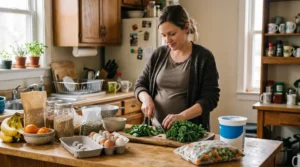
Budget-friendly staples can provide a strong nutritional foundation without requiring specialty products. Oatmeal, brown rice, whole-wheat pasta, potatoes, dried beans, lentils, eggs, canned fish that is appropriate during pregnancy, frozen vegetables, and seasonal fruit are useful options.
Dried beans and lentils are often economical when purchased in larger packages and cooked at home. Canned versions can be more convenient, especially when fatigue makes cooking difficult. If you buy canned beans, rinsing and draining them can help reduce sodium.
Frozen produce is another practical choice. Frozen fruits and vegetables are generally nutritious, easy to store, and available throughout the year. Choose plain varieties when possible, since sauces and seasonings can add sodium, sugar, or cost. Canned produce can also fit into a healthy diet; compare labels and choose options without added sugar or with less sodium when available.
Compare Cost Per Serving, Not Just Package Price
A larger package is not always the best value if you cannot use it before it spoils. Compare unit prices and consider how many meals each item can provide. A bag of dried beans may cost more upfront than one can, but it can make several servings. A large container of plain yogurt may be cheaper per serving than individual cups, provided you can finish it safely before its expiration date.
Think about storage, preparation time, and waste alongside price. If you work long hours or have severe first-trimester nausea, a convenient food that you can reliably eat may be more useful than an inexpensive ingredient requiring lengthy preparation.
The USDA’s Healthy Eating on a Budget guide offers practical shopping and meal-planning strategies that can help you make nutritious choices while controlling grocery costs.
First Trimester: Affordable Foods for Nausea and Early Pregnancy
If you are vomiting frequently, cannot keep fluids down, urinate much less than usual, feel faint, or notice other signs of dehydration, contact your healthcare professional promptly. Severe pregnancy nausea may require treatment; it is not something you should have to manage through food choices alone. You can also read our guide to Pregnancy Warning Signs by Trimester: When to Call Your Doctor or Go to the Hospital to learn more about symptoms that may require prompt medical attention during pregnancy.
Choose Simple Breakfasts and Snacks
Oatmeal is an affordable breakfast that provides carbohydrates and fiber. Prepare it with milk or a fortified alternative, then add a banana or a spoonful of peanut butter if you tolerate those foods. Peanut butter provides protein and healthy fats, helping make a simple breakfast more satisfying.
Whole-grain toast with a fully cooked egg is another practical option. If eggs are unappealing, try toast with peanut butter or plain yogurt with fruit. Keep crackers or dry cereal available if bland foods are easier to tolerate, and sip fluids regularly throughout the day.
Some pregnant people find ginger helpful for nausea, although results vary. Ask your healthcare professional before using concentrated ginger supplements or other products marketed for morning sickness, especially if you take medication or have a medical condition.
If you are vomiting frequently, cannot keep fluids down, urinate much less than usual, feel faint, or notice other signs of dehydration, contact your healthcare professional promptly. Severe pregnancy nausea may require treatment; it is not something you should have to manage through food choices alone.
Prioritize Folic Acid and Other Important Nutrients
Folic acid is especially important early in pregnancy because it helps reduce the risk of neural tube defects affecting the developing brain and spine. Enriched grain products, fortified breakfast cereals, beans, and leafy green vegetables can contribute folate or folic acid to your diet.
However, food alone may not provide enough folic acid. ACOG recommends a prenatal vitamin containing at least 400 micrograms of folic acid, while the recommended total intake during pregnancy is 600 micrograms of dietary folate equivalents daily. Individual circumstances can change supplementation recommendations, so discuss the appropriate product and dose with your clinician.
Do not buy several different vitamin products in an attempt to save money or increase nutrient intake. Taking extra supplements can cause excessive intake of certain vitamins and minerals. Ask your prenatal care provider or pharmacist about a suitable prenatal vitamin and whether a lower-cost generic product meets your needs.
Beans, lentils, spinach, fortified cereal, and eggs can help contribute other nutrients during the first trimester. You do not need every nutrient in every meal. The goal is to build variety across your day and week while following your prenatal care team’s advice.
A Budget-Friendly First-Trimester Meal Example
Breakfast could be oatmeal with banana and milk. Lunch might be a baked potato topped with thoroughly cooked beans and a little cheese made from pasteurized milk. A snack could include crackers and yogurt, while dinner might be vegetable soup with lentils and whole-grain bread.
These are flexible ideas, not a required menu. Portion sizes and calorie needs vary, and you may need different foods depending on nausea, allergies, cultural preferences, or medical advice. If you are struggling to eat enough, focus on foods you can tolerate and ask your clinician about support.
Second Trimester: Getting More Nutrition From Everyday Foods
Many pregnant people find that nausea improves during the second trimester, although symptoms can continue. Appetite may increase, and preparing more substantial meals may become easier. This is a good time to establish a repeatable grocery routine and prepare foods in batches for days when you are tired or busy.
Your body continues to need protein, iron, calcium, vitamin D, folate, and other essential nutrients. You can meet many of these needs through ordinary supermarket foods rather than specialty pregnancy products.
Use Beans, Eggs, and Other Affordable Protein Sources
Protein helps build and repair body tissues and supports your baby’s growth. You can get it from eggs, poultry, lean meat, fish that is low in mercury, dairy products, beans, lentils, peas, tofu, nuts, and seeds.
You do not need meat at every meal to obtain enough protein. A bowl of lentil soup with whole-grain bread, a bean burrito with cooked vegetables, or a tofu and vegetable rice bowl can provide a satisfying combination of nutrients. Eggs are also versatile, but they should be cooked until both the yolk and white are firm to reduce the risk of foodborne illness.
When purchasing meat, compare prices across different cuts and package sizes. Chicken thighs may be less expensive than some chicken breast products, while lean ground turkey or beef can be stretched by combining it with beans in chili, tacos, or pasta sauce. Cook meat thoroughly and refrigerate leftovers promptly.
Canned salmon or sardines may also be economical sources of protein and omega-3 fatty acids. Choose varieties appropriate for pregnancy and follow current FDA and EPA fish-consumption advice. Fish can provide nutrients important for fetal brain development, but some species contain high levels of mercury and should be avoided.
Choose Iron-Rich Foods Without Overspending
Iron helps your body make the additional red blood cells needed during pregnancy. Inadequate iron can contribute to iron-deficiency anemia, which may cause fatigue, weakness, and other symptoms.
Pregnant adults generally need 27 milligrams of iron daily. Your prenatal vitamin may supply some of this amount, while food contributes the rest. Your clinician can evaluate your iron status through blood testing and recommend additional supplementation if needed.
Affordable iron sources include beans, lentils, chickpeas, iron-fortified breakfast cereals, tofu, and lean meats. Pairing plant-based iron sources with foods containing vitamin C can improve absorption. For example, serve lentils with tomatoes, enjoy beans with bell peppers, or eat an orange alongside a meal containing chickpeas.
If you choose fortified cereal, compare the nutrition labels and serving sizes. Some cereals provide substantial iron, but others contain considerable added sugar. You can select a product that fits your budget and nutritional preferences rather than buying the most expensive health-food brand.
Iron supplements can cause constipation or stomach discomfort, so do not add extra iron without discussing it with your healthcare professional. More is not always better, and the right dose depends on your individual needs.
Include Calcium and Vitamin D in Your Shopping Plan
Calcium supports the development of your baby’s bones and teeth, while vitamin D helps your body absorb calcium. For most pregnant adults, the recommended calcium intake is 1,000 milligrams daily; pregnant teenagers generally need 1,300 milligrams. The recommended vitamin D intake during pregnancy is 600 IU, or 15 micrograms, daily.
Milk, plain yogurt, and pasteurized cheese are familiar sources of calcium. If dairy products do not suit you, consider calcium-fortified soy milk or other fortified alternatives. Check the label because calcium and vitamin D levels vary among plant-based beverages.
Frozen broccoli, calcium-set tofu, and certain canned fish with edible bones can contribute calcium as well. Not every alternative provides the same amount, so compare nutrition labels when these foods are a major part of your diet.
Plain yogurt can be especially useful because it provides protein and calcium without the added sugar found in some flavored varieties. Add fresh or frozen berries to a large container of plain yogurt to make several affordable servings.
Make Batch Cooking Work for You
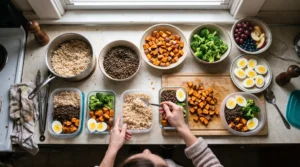
Cooking once and eating several times can lower food costs and reduce the effort needed to prepare meals. Prepare a pot of lentils, a batch of brown rice, and a tray of roasted vegetables, then combine them differently over the next few days.
One evening, serve lentils over rice with broccoli. The next day, use the lentils in a vegetable soup. Later, combine the leftovers with cooked vegetables in a whole-grain wrap. Changing seasonings and combinations helps prevent repetitive meals without requiring entirely new ingredients.
Food safety matters when preparing meals in advance. Refrigerate perishable food within two hours, or within one hour when the surrounding temperature exceeds 90°F. Store leftovers in shallow containers and generally use refrigerated leftovers within three to four days, or freeze them for longer storage. Reheat leftovers to 165°F.
If you do not have time to cook every component, use a mixture of prepared and homemade foods. A bag of frozen vegetables, canned beans, microwaveable brown rice, and a fully cooked protein can form a practical meal when checked and handled according to food-safety guidance.
Third Trimester: Affordable Meals for Energy and Comfort
During the third trimester, your baby continues to grow, and you may notice increased pressure on your stomach, heartburn, constipation, or a reduced appetite because of limited abdominal space. Large meals may become uncomfortable, making smaller meals and snacks a useful alternative.
Pregnancy nutrition at this stage should continue to emphasize variety and adequate nourishment. You do not need to purchase expensive foods marketed specifically for the third trimester. Instead, choose meals that fit your appetite, provide essential nutrients, and are easy to prepare.
Eat Smaller, Balanced Meals
If you experience heartburn or feel full quickly, try smaller meals more frequently rather than forcing yourself to eat a large dinner. A small bowl of soup with whole-grain toast, a cooked egg with toast, or yogurt with oatmeal may be easier to manage than a heavy meal.
Some people find that high-fat or spicy meals worsen heartburn, although triggers vary. Pay attention to your own symptoms and adjust meal timing and ingredients accordingly. If heartburn is persistent, severe, or interferes with eating or sleeping, ask your healthcare professional about appropriate treatment.
Keep easy snacks available so that fatigue does not leave you skipping meals. A banana, a handful of nuts, peanut butter on whole-grain crackers, or plain yogurt with fruit can be convenient options. Refrigerate perishable foods appropriately and choose pasteurized dairy products.
Hydration also matters. Water is an inexpensive everyday choice, and keeping a refillable bottle nearby can make drinking regularly easier. ACOG advises pregnant people to drink about eight to twelve cups of water daily, although individual needs can vary with activity, weather, illness, and medical conditions.
 Support Digestion With Fiber-Rich Foods
Constipation is common during pregnancy. Hormonal changes, iron supplements, reduced activity, and changes in eating habits may contribute. Fiber-rich foods and adequate fluids can help, although they may not resolve every case.
Oats, beans, lentils, whole-grain bread, pears, apples, berries, and vegetables are affordable sources of fiber. Add them gradually if your usual diet is low in fiber, since a sudden increase can cause bloating or gas.
For a budget-friendly breakfast, prepare oatmeal with chopped apple and a sprinkle of ground flaxseed. For lunch, try a bean-and-vegetable soup with whole-grain toast. At dinner, combine brown rice with cooked vegetables and a protein source.
If constipation becomes painful or persistent, ask your clinician for advice before using laxatives, herbal products, or other remedies. If your prenatal vitamin appears to worsen constipation, discuss alternatives rather than stopping it on your own.
Prepare Convenient Meals Before the Final Weeks
The final weeks of pregnancy can be tiring, so preparing and freezing a few meals ahead of time may help. Affordable options include lentil soup, bean chili, vegetable casseroles, and cooked pasta sauces. Divide meals into individual portions before freezing so you can thaw only what you need.
Label containers with the contents and date. Thaw frozen food in the refrigerator, in cold water following safe procedures, or in the microwave rather than leaving it at room temperature. Reheat cooked meals thoroughly before eating.
If friends or family offer help before the baby arrives, a simple request for a prepared meal or grocery delivery may be more useful than specialty gifts. Planning meals around ingredients you already buy also makes it easier to manage food expenses after delivery.
The Most Affordable Pregnancy Foods to Keep at Home
A practical pantry makes healthy meals easier to assemble without frequent shopping trips. The most useful foods depend on your preferences, storage space, and local prices, but several categories are worth considering.
Oats, Brown Rice, and Whole-Grain Products
Oats are versatile, inexpensive, and easy to prepare. They provide carbohydrates and fiber and can be paired with milk, yogurt, fruit, or nut butter. Brown rice, whole-wheat pasta, whole-grain bread, and whole-wheat tortillas can also serve as the base for balanced meals.
You do not have to buy every grain in its whole-grain form if cost or availability is a barrier. Compare products and choose options that fit your budget, dietary needs, and preferences. The important goal is to build a varied diet rather than rely on one supposedly perfect food.
Beans, Lentils, and Canned Vegetables
Beans and lentils provide protein, fiber, folate, and iron. They can be used in soups, stews, salads made with properly washed ingredients, and cooked grain bowls. Dried varieties may offer good value, while canned varieties save time.
Canned tomatoes, peas, green beans, and other vegetables can help round out meals when fresh produce is expensive or unavailable. Compare sodium content and select lower-sodium versions when practical. Drain and rinse canned vegetables or beans when appropriate.
Eggs, Peanut Butter, and Other Protein Sources
Eggs are convenient for breakfasts, sandwiches, and simple dinners. Peanut butter and other nut or seed butters provide protein and unsaturated fats, while nuts and seeds can add nutrients to oatmeal and yogurt.
If you have a food allergy, choose safe alternatives and avoid cross-contact. Tofu, beans, lentils, and fortified soy products can be useful options for people who do not eat meat or dairy.
Frozen Fruits and Vegetables
Fresh produce can be expensive when it is out of season or spoils before you can use it. Frozen vegetables and fruit offer convenience and often reduce waste because you can take only what you need.
Frozen berries can be added to oatmeal or yogurt, while frozen spinach can be cooked into pasta, soups, or scrambled eggs. Vegetables should be cooked or prepared according to package instructions and safe food-handling practices.
Milk, Yogurt, and Fortified Alternatives
Dairy foods can contribute protein, calcium, and other important nutrients. Choose pasteurized products and compare unit prices across different container sizes. Plain milk and yogurt are often useful staples because they work in breakfasts, snacks, and recipes.
If you use a plant-based beverage, check its nutrition label for calcium, vitamin D, protein, and added sugar. Fortified soy milk often provides more protein than many almond or oat beverages, although products vary.
A Simple Seven-Day Budget-Friendly Pregnancy Meal Plan
The following example shows how everyday ingredients can be used across several meals without requiring expensive specialty products. It is a starting point, not a personalized prescription. Portions, snacks, calorie needs, and nutrient requirements vary from person to person, so adapt the plan to your appetite and clinician’s advice.
Illustrative menu: prices vary by region, store, season, package size, and brand. Pantry staples and leftovers can reduce the total cost.
| Day | Breakfast | Lunch | Dinner |
|---|---|---|---|
| Monday | Oatmeal, banana, and milk | Lentil soup with whole-grain bread | Chicken, brown rice, and frozen broccoli |
| Tuesday | Fully cooked eggs and whole-grain toast | Leftover chicken and vegetable rice bowl | Bean chili with tomatoes and rice |
| Wednesday | Plain yogurt, oats, and frozen berries | Leftover bean chili | Baked potato with beans and pasteurized cheese |
| Thursday | Peanut butter toast and fruit | Chickpea and vegetable soup | Whole-wheat pasta with tomato sauce and lentils |
| Friday | Oatmeal with apple and cinnamon | Leftover pasta and cooked vegetables | Fully cooked salmon, potatoes, and green beans |
| Saturday | Yogurt with banana and oats | Bean and cheese quesadilla with cooked vegetables | Vegetable and tofu stir-fry with rice |
| Sunday | Fully cooked eggs, toast, and fruit | Leftover soup or rice bowl | Lentil casserole with sweet potatoes and broccoli |
To make this plan more economical, reuse ingredients across multiple meals. For example, cook a larger batch of rice early in the week, prepare enough lentils for both soup and pasta sauce, and use frozen vegetables in several recipes. Freeze portions that will not be eaten within the recommended refrigeration period.
Snacks can include fruit, yogurt, whole-grain crackers, peanut butter, nuts, or fully cooked eggs, depending on your needs and food preferences. You may need more food or different snacks than the example provides, especially as your pregnancy progresses.
A healthy meal plan does not have to look identical every day. If fresh berries are expensive, choose apples or bananas. If chicken prices rise, substitute beans, lentils, eggs, tofu, or an appropriate low-mercury fish. If cooking feels overwhelming, use convenient ingredients that still allow you to eat adequately and safely.
How to Shop for Pregnancy Foods Without Overspending
A grocery budget works best when it reflects the way you actually eat. Before shopping, decide which meals you plan to prepare, check what is already in your kitchen, and make a list organized around ingredients rather than individual recipes. This reduces impulse purchases and makes it easier to substitute less expensive foods when prices change.
Shop Seasonally and Compare Store Brands
Seasonal produce may offer better value, particularly when locally abundant. Apples, oranges, bananas, carrots, cabbage, potatoes, and other durable produce can be useful choices, depending on the season and local prices. Frozen fruit and vegetables are good alternatives when fresh produce is expensive.
Store-brand oats, beans, rice, canned tomatoes, and frozen vegetables are often worth comparing with national brands. Check the unit price, ingredients, serving size, and nutrition label instead of assuming a familiar brand is healthier.
Discount grocery stores, warehouse clubs, and farmers markets can offer savings, but compare the actual price and consider transportation costs, storage space, and food waste. Buying in bulk only saves money when you can safely store and use what you purchase.
Reduce Food Waste With a Weekly Routine
Food waste can quietly increase grocery expenses. Store produce according to its needs, freeze extra portions before they spoil, and keep older items visible so they are used first. Prepare a flexible meal using leftovers once or twice each week.
For example, leftover cooked vegetables can be added to an omelet, soup, or pasta dish. Extra beans can become a filling for tortillas or a topping for baked potatoes. Ripe bananas can be sliced and frozen for oatmeal or smoothies.
Keep raw meat separate from ready-to-eat foods, wash produce under running water, and refrigerate perishable items promptly. Pregnant people are more vulnerable to some foodborne infections, so saving money should never mean taking unnecessary risks with storage, cooking, or expiration dates.
Use USDA MyPlate Planning Resources
The USDA’s MyPlate resources provide practical tools for planning meals, comparing food choices, and finding budget-conscious ways to eat well. Its Shop Simple with MyPlate tool can help users explore cost-saving opportunities and local resources.
Visit USDA MyPlate: Healthy Eating on a Budget to explore these tools and build a grocery plan around the foods available in your area.
Food Assistance Programs for Pregnant People in the United States
If your grocery budget is tight, you do not have to manage pregnancy nutrition alone. Several U.S. assistance programs may help eligible households obtain nutritious foods, nutrition education, or broader food support.
WIC: Special Supplemental Nutrition Program for Women, Infants, and Children
The Special Supplemental Nutrition Program for Women, Infants, and Children, commonly called WIC, supports eligible pregnant, postpartum, and breastfeeding women, infants, and children younger than five. The program provides benefits for specific nutritious foods, nutrition education, breastfeeding support, and referrals to other services.
Depending on the participant’s needs and local program arrangements, WIC food benefits may cover items such as milk, eggs, whole-grain foods, fruits, vegetables, beans, and certain fortified products. Eligible food packages and approved products follow program rules.
WIC eligibility generally depends on factors including residency, income, and a nutritional risk assessment. Receiving other qualifying assistance may also affect eligibility. Requirements and application procedures can vary by state.
You can learn about the program and find your state’s WIC agency through the USDA WIC program website. Applying early may help you understand which services and food benefits are available during pregnancy.
SNAP: Help With Grocery Costs
The Supplemental Nutrition Assistance Program, or SNAP, provides food-purchasing benefits to eligible individuals and households. Unlike WIC, SNAP is a broader nutrition assistance program and is not limited to pregnancy.
Eligibility depends on household circumstances and applicable federal and state rules. If you qualify, SNAP benefits can help you purchase many foods at participating retailers, making it easier to maintain a more consistent grocery supply.
Visit the USDA SNAP program website to learn about eligibility, application procedures, and state-specific resources.
Local Food Banks and Community Resources
Community food banks, pregnancy support organizations, community health centers, and local nonprofits may offer groceries, nutrition education, or referrals to assistance programs. Some organizations provide fresh produce, canned foods, or meal support, while others can connect families with benefits counselors.
If you need help, consider asking your prenatal clinic, social worker, or local public health department about available resources. You do not need to wait until your household has run out of food to ask about assistance.
Access to nutritious food is an important part of prenatal health. Using available programs is a practical way to protect your grocery budget while meeting your family’s needs.
 Foods and Supplements to Handle Carefully During Pregnancy
Affordable eating should still prioritize food safety and appropriate nutrient intake. Certain foods and supplements require extra care during pregnancy, regardless of their price.
Avoid raw or undercooked meat, poultry, seafood, and eggs. Choose pasteurized milk and dairy products, wash produce thoroughly under running water, and follow safe food-storage practices. Deli meats and hot dogs should be reheated until steaming hot before eating, according to pregnancy food-safety guidance. Avoid high-mercury fish, including shark, swordfish, king mackerel, marlin, orange roughy, bigeye tuna, and tilefish.
Fish is not something you need to eliminate entirely. Lower-mercury options can provide beneficial nutrients, and the FDA and EPA recommend eating 8 to 12 ounces of a variety of lower-mercury seafood per week during pregnancy. Check current guidance for appropriate species and serving sizes, especially if you eat locally caught fish.
Alcohol should be avoided during pregnancy. Discuss caffeine intake with your healthcare professional; ACOG advises limiting caffeine to less than 200 milligrams per day during pregnancy.
Prenatal vitamins can help fill nutritional gaps, but they should not replace a balanced diet. Avoid taking multiple prenatal supplements or high-dose vitamins without medical advice, since excessive intake of some nutrients can be harmful. Your clinician can help select a suitable prenatal vitamin based on your medical history and nutritional needs.
For additional guidance on pregnancy-related food risks, review ACOG’s Listeria and Pregnancy guidance.
When to Ask Your Healthcare Professional for Nutrition Support
A registered dietitian who works with pregnant patients can help you plan affordable meals that fit your medical requirements, cultural preferences, and available resources. Your prenatal clinician can also review your weight changes, blood test results, supplements, and symptoms to determine whether additional support is needed. If you are preparing for an appointment, our First Prenatal Appointment Checklist: What to Expect and Questions to Ask Your OB-GYN can help you organize questions about nutrition, prenatal vitamins, weight gain, and symptoms you want to discuss with your healthcare professional.
A registered dietitian who works with pregnant patients can help you plan affordable meals that fit your medical requirements, cultural preferences, and available resources. Your prenatal clinician can also review your weight changes, blood test results, supplements, and symptoms to determine whether additional support is needed.
Contact your healthcare professional if persistent nausea or vomiting makes it difficult to eat or drink, if you have concerns about inadequate weight gain, or if you suspect a nutritional deficiency. Seek prompt medical advice for signs of dehydration, severe weakness, or other concerning symptoms.
If you cannot afford a prenatal vitamin, tell your clinician or pharmacist rather than skipping it without discussion. They may be able to help you identify an affordable product or connect you with community resources.
Frequently Asked Questions About Pregnancy Nutrition on a Budget
What are the cheapest healthy foods to eat during pregnancy?
Some economical options include oats, dried or canned beans, lentils, eggs, brown rice, potatoes, frozen vegetables, bananas, apples, plain yogurt, and fortified cereals. The lowest-cost choices vary by location, but building meals around versatile staples can help stretch a grocery budget.
Can I eat healthy during pregnancy without buying organic food?
Yes. Organic food is not required for a nutritious pregnancy diet. Conventional and organic fruits, vegetables, grains, and other foods can all contribute important nutrients. Choose a variety of produce, wash it thoroughly under running water, and prioritize getting enough food and essential nutrients within your budget.
How much more should I eat during pregnancy?
Calorie needs vary with your starting weight, activity level, health, and stage of pregnancy. Many people do not need additional calories during the first trimester, while average needs rise by roughly 340 calories daily in the second trimester and 450 in the third trimester. These are general estimates, not individual prescriptions. Your prenatal clinician can advise you based on your circumstances.
Are frozen vegetables and canned beans healthy during pregnancy?
Yes. Frozen vegetables and canned beans can be nutritious, affordable choices. Select plain frozen vegetables when possible, compare sodium levels on canned products, and rinse canned beans if desired. Store and prepare them according to package instructions and standard food-safety recommendations.
Do I need expensive prenatal vitamins?
No. A high price does not automatically mean a prenatal vitamin is better. Look for a product appropriate for pregnancy and ask your healthcare professional or pharmacist to help you compare ingredients, dosage, and cost. Individual needs vary, so do not replace a prescribed supplement without discussing it with your clinician.
What if I cannot afford enough food while pregnant?
Contact your prenatal care team or local public health department to ask about WIC, SNAP, community food banks, and other available resources. These programs may help reduce food costs and connect you with nutrition services. If you are regularly skipping meals because of financial hardship, tell your healthcare professional so you can receive appropriate support.
Conclusion: Healthy Pregnancy Eating Can Fit a Realistic Budget
Pregnancy nutrition does not have to depend on expensive groceries or complicated recipes. Affordable staples such as oats, eggs, lentils, beans, rice, frozen vegetables, seasonal fruit, and plain yogurt can help you build balanced meals throughout pregnancy.
Your needs may change from trimester to trimester. Early pregnancy may call for simple foods that are easier to tolerate, the second trimester can be a good time to establish a meal-preparation routine, and the third trimester may be more comfortable with smaller meals and convenient snacks.
The most effective approach is to plan around foods you can afford, reuse ingredients across several meals, reduce waste, and follow appropriate food-safety practices. Use prenatal vitamins as recommended by your healthcare professional, and seek individualized advice when symptoms or medical conditions affect your nutrition.
If grocery costs are making it difficult to eat regularly, consider applying for WIC or SNAP and asking your prenatal clinic about community food resources. Getting help is a practical step toward supporting your health and your baby’s development.
With a flexible plan and a focus on everyday nutritious foods, pregnancy nutrition on a budget can be both achievable and sustainable.