
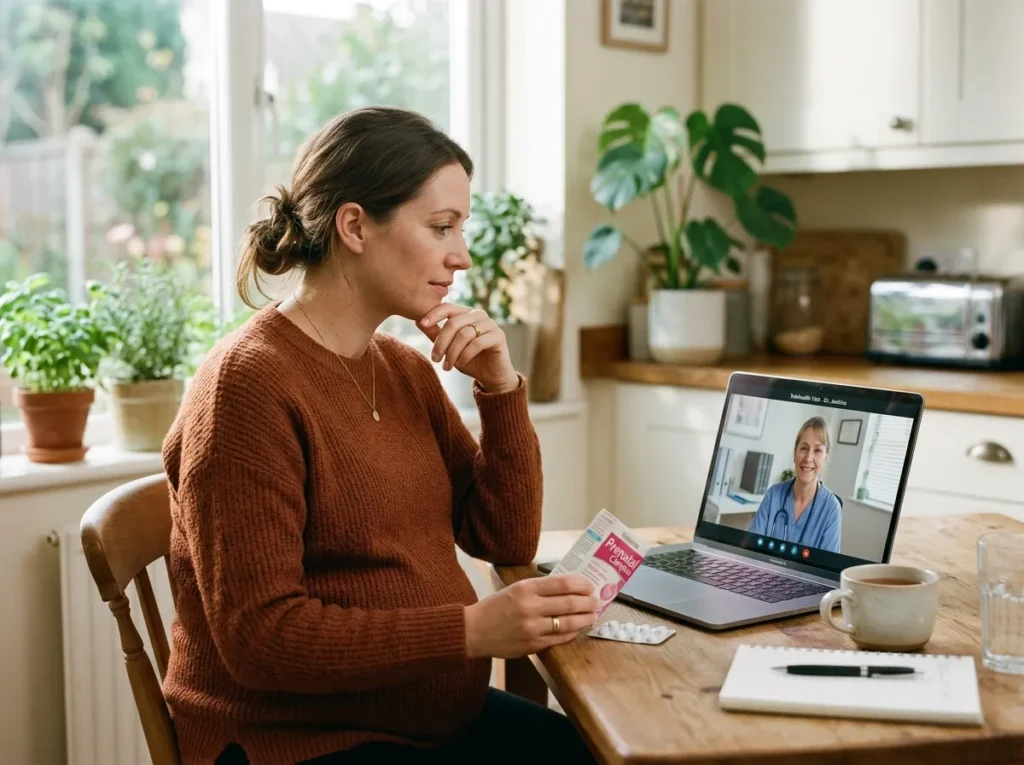
If you have been taking a GLP-1 weight loss medication like Ozempic or Wegovy and are now pregnant — or planning to become pregnant — you are not alone in having questions. These medications have become some of the most widely prescribed drugs in the world, and many women of childbearing age are using them. What happens when pregnancy enters the picture, though, is something far fewer people talk about openly.
This guide will walk you through what GLP-1 drugs are, what the current research says about their safety during pregnancy, what to do if you discover you are pregnant while taking one, and how to support a healthy pregnancy after stopping these medications. As always, nothing here replaces the advice of your own healthcare provider — but being informed is one of the most important things you can do for yourself and your baby.
What Are GLP-1 Weight Loss Drugs?
GLP-1 receptor agonists — commonly known by brand names like Ozempic, Wegovy, Mounjaro, and Zepbound — are a class of medications originally developed to manage type 2 diabetes. In recent years, they have been widely prescribed for weight loss, and their use has grown dramatically. According to research published in medical literature, the number of young female users of GLP-1 receptor agonists increased by 659% between 2020 and 2023 in the United States alone.
These drugs work by mimicking a hormone called glucagon-like peptide-1, which signals the brain to reduce hunger, slows digestion, and helps regulate blood sugar levels. The combination of these effects makes them highly effective for weight loss — but they are powerful medications with wide-ranging effects on the body, which is why pregnancy raises important questions.
Common GLP-1 Medications You May Have Heard Of
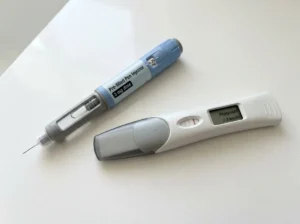
You may be taking one of these medications or know someone who is. The most commonly discussed in the context of pregnancy include:
- Semaglutide — sold as Ozempic (for diabetes) and Wegovy (for weight loss)
- Liraglutide — sold as Victoza and Saxenda
- Tirzepatide — sold as Mounjaro and Zepbound
- Dulaglutide — sold as Trulicity
Each of these has slightly different half-lives, meaning the time it takes for the drug to clear your system varies. Semaglutide, for instance, has a longer half-life than some others — which has real implications for how early you should stop taking it before trying to conceive.
Are GLP-1 Drugs Safe During Pregnancy?
This is the most important question — and the honest answer right now is that we do not yet have enough human data to say definitively. What we do know is that current guidelines from the FDA and most major medical bodies recommend against using GLP-1 medications during pregnancy.
What Animal Studies Have Found
Much of the concern about GLP-1 drugs in pregnancy comes from animal studies. Research conducted with rats, rabbits, and monkeys has shown that exposure to semaglutide during pregnancy was associated with higher rates of pregnancy loss, birth defects, and low birth weight. It is important to note that animal studies do not always predict human outcomes, but they are significant enough that regulatory agencies have taken them seriously.
The FDA’s prescribing information for both Ozempic and Wegovy includes a clear warning: these medications should be discontinued before pregnancy. For Wegovy, the recommendation is to stop the medication at least two months before attempting to conceive, giving the body enough time to fully clear the drug. You can review the official FDA guidance through the FDA’s semaglutide safety information page.
The Gap in Human Research
Because pregnant women are typically excluded from clinical trials for safety reasons, there is a significant gap in human data on GLP-1 drugs during pregnancy. A major study evaluating the safety of Wegovy during human pregnancy is currently ongoing and is not expected to be completed until 2032. Until that data is available, healthcare providers must rely on animal studies, case reports, and observational research — all of which point toward caution.
For a thorough overview of the current evidence, Healthline’s medically reviewed guide on semaglutide and pregnancy provides a helpful summary of what experts currently recommend.
The “Ozempic Babies” Phenomenon
You may have seen the term “Ozempic babies” trending on social media. This refers to women who became pregnant unexpectedly while taking GLP-1 medications — sometimes after years of struggling with infertility. There is a biological explanation for this. GLP-1 drugs can promote weight loss, and since obesity is associated with hormonal disruptions that affect ovulation and fertility, losing weight on these medications can inadvertently restore fertility. Some women also report that GLP-1 medications may reduce the effectiveness of oral contraceptives by slowing gastric emptying, which affects how the pill is absorbed.
The result is that some women have found themselves pregnant while still taking these drugs, without any prior planning for how to navigate that situation. If that is where you find yourself, the next section is especially important.
What to Do If You Get Pregnant While Taking a GLP-1 Drug
First and most important: do not panic. Many women have had healthy pregnancies after taking these medications, and finding out early gives you the best opportunity to respond appropriately.
Stop the Medication and Contact Your Doctor Immediately
If you discover you are pregnant while taking a GLP-1 medication, contact the healthcare provider who prescribed it as soon as possible. They can advise you on how to safely discontinue use and will want to monitor your pregnancy closely. Do not stop or adjust any medication without medical guidance, but in this situation, prompt communication is critical.
Your OB-GYN or midwife should also be informed right away. Early prenatal care is always important, but it is especially valuable when there are factors like prior medication exposure that may require additional monitoring. You can read more about the importance of those early weeks in our guide to the first trimester: what to expect and how to prepare.
Be Honest About Your Medication History

Your care team can only support you fully when they have complete information. Be open about what medications you have been taking, at what dose, and for how long. This is not about judgment — it is about ensuring your baby has every advantage from the beginning.
The Challenge of Stopping GLP-1 Drugs Before or During Pregnancy
One of the most surprising findings in recent research is that stopping GLP-1 medications is not without its own risks — particularly when it comes to weight management during pregnancy.
Rebound Weight Gain and Pregnancy Complications
A significant study led by researchers at Mass General Brigham and published in JAMA found that women who had taken GLP-1 drugs before pregnancy and then stopped tended to gain considerably more weight during pregnancy compared to women who had never used the medications. Specifically, the group that stopped GLP-1 drugs gained an average of 7.2 pounds more during pregnancy, and they also faced higher risks of gestational diabetes, hypertensive disorders, and preterm delivery.
This does not mean the medications should be continued during pregnancy — quite the opposite. What it means is that women who have been using GLP-1 drugs need additional support and monitoring during pregnancy to manage healthy gestational weight gain, blood sugar, and blood pressure. This is a conversation worth having with your healthcare provider before you even start trying to conceive.
Why the Two-Month Window Matters
The recommendation to stop GLP-1 drugs at least two months before trying to conceive exists for a specific reason. Semaglutide, in particular, has a long half-life, meaning it remains active in the body for weeks after the last dose. Waiting two months allows the drug to fully clear your system before a potential pregnancy begins, reducing the risk of fetal exposure during those critical early weeks of development.
If you are currently on a GLP-1 medication and thinking about pregnancy in the future, this timeline is worth discussing with your doctor now — not after you get a positive test.
Planning for a Healthy Pregnancy After GLP-1 Use
Many women who have taken GLP-1 medications go on to have healthy, uncomplicated pregnancies. The key is planning ahead and working proactively with your care team.
Weight Management Without Medication
One of the most helpful things you can do is work with a registered dietitian or nutritionist before and during pregnancy to develop a sustainable approach to nutrition. Healthy gestational weight gain varies based on your pre-pregnancy BMI, and your healthcare provider can give you personalised targets. Staying active with pregnancy-safe exercise is equally important — our post on essential pregnancy tips every expecting mom should know covers safe ways to maintain your wellbeing throughout all three trimesters.
Managing Gestational Diabetes Risk
If you were taking a GLP-1 drug for type 2 diabetes or as a result of conditions like PCOS, you may face a higher baseline risk of gestational diabetes. Talk to your provider about early glucose screening and any dietary adjustments that can help you manage blood sugar naturally during pregnancy. The American College of Obstetricians and Gynecologists (ACOG) offers reliable guidance on gestational diabetes screening and management.
Mental and Emotional Support

It is worth acknowledging that navigating a pregnancy while dealing with the complexities of weight management, medication changes, and health monitoring can feel overwhelming. Anxiety and emotional challenges during pregnancy are more common than many people realise, and there is no shame in seeking support. Our guide on navigating maternal mental health support during pregnancy is a valuable resource if you are feeling stressed or uncertain.
Key Questions to Ask Your Doctor
If you are currently taking a GLP-1 drug and are pregnant or planning to become pregnant, the following questions can help guide a productive conversation with your healthcare provider:
- How long should I wait after stopping my medication before trying to conceive?
- What monitoring will I need during pregnancy given my medication history?
- What are healthy gestational weight gain targets for me specifically?
- Do I need earlier or more frequent glucose screening?
- Are there safe alternatives to help me manage weight or blood sugar during pregnancy?
- What symptoms should prompt me to call you right away?
You deserve a care team that takes your concerns seriously and helps you navigate this with clarity and support. Do not hesitate to advocate for yourself.
The Bottom Line on GLP-1 Drugs and Pregnancy
GLP-1 medications like Ozempic and Wegovy are not recommended for use during pregnancy, and current guidelines advise stopping them at least two months before attempting to conceive. The research is still evolving, but what we know points strongly toward caution — and toward proactive, well-supported prenatal care for women who have used these medications.
If you found yourself pregnant while taking a GLP-1 drug, contact your healthcare provider immediately, be transparent about your medication history, and lean on the support and resources available to you. You are not the first woman to navigate this situation, and with the right care team by your side, a healthy pregnancy is absolutely possible.
For more guidance on building a strong foundation for your pregnancy journey, explore our full guide to creating the perfect pregnancy plan — covering everything from your first prenatal appointment to preparing for your baby’s arrival.
Note: This article is for informational purposes only and does not constitute medical advice. Always consult your healthcare provider before making any changes to your medications or health plan during pregnancy.