

Understanding Your Pelvic Floor During Pregnancy
Pregnancy is a time of incredible transformation, bringing with it a mix of excitement and new physical experiences. While much of the focus is on your growing baby bump, another crucial area deserves your attention — your pelvic floor. Understanding and nurturing your prenatal pelvic floor health is one of the most empowering steps you can take to prepare for a smoother pregnancy, delivery, and postpartum recovery. This guide will walk you through everything you need to know about maintaining a strong and healthy pelvic floor.
What is the Pelvic Floor?
Think of your pelvic floor as a strong, supportive hammock or sling made of muscles, ligaments, and connective tissues. It stretches from your pubic bone at the front to your tailbone at the back. This muscular base has several vital jobs: it supports your pelvic organs (including the bladder, bowel, and uterus), helps you maintain control over your bladder and bowels, and plays a role in sexual function. A healthy pelvic floor is both strong and flexible, able to contract when needed and relax completely.
How Pregnancy Affects Your Pelvic Floor
During pregnancy, your pelvic floor is put under immense strain. The hormone relaxin, which helps loosen your ligaments for childbirth, also softens the support structures of your pelvic floor. As your baby grows, the increasing weight of your uterus places constant downward pressure on these muscles. This combination of hormonal changes and physical weight can cause the pelvic floor to weaken and stretch, making it less effective at its job. This is a normal part of pregnancy, but it highlights why targeted exercises are so beneficial during this time.
Why Pelvic Floor Health Matters in Pregnancy

Prioritizing your pelvic floor is more than just preventing a few leaks; it’s about investing in your long-term well-being. A strong and resilient pelvic floor offers numerous benefits that can profoundly impact your pregnancy experience and recovery. Integrating these exercises into your routine is one of the most essential pregnancy tips for any expecting mother.
The benefits are wide-ranging. A well-conditioned pelvic floor provides better support for your growing uterus, which can help alleviate pelvic and lower back pain. It improves your ability to control your bladder, reducing the likelihood of stress incontinence — those accidental leaks when you cough, sneeze, or laugh. Furthermore, a strong pelvic floor can contribute to a more efficient labor and delivery. Learning to both contract and relax these muscles can help during the pushing stage of labor and may reduce the risk of severe tearing. Finally, a healthy pelvic floor before birth sets you up for a faster, smoother postpartum recovery, allowing you to regain strength and function more quickly after your baby arrives.
Safe Pelvic Floor Exercises for Each Trimester
The good news is that you can safely and effectively exercise your pelvic floor throughout your pregnancy. The key is consistency and proper technique. These exercises are subtle, so you can do them almost anywhere without anyone knowing. As you move through each stage, from the first trimester to the last, these exercises remain a vital part of your routine.
Kegel Exercises for Pregnancy
Kegels are the most well-known pelvic floor exercise for a reason — they work. To correctly identify your pelvic floor muscles, try to stop the flow of urine midstream. Those are the muscles you want to target. However, don’t make a habit of doing this, as it can interfere with normal bladder function. Once you’ve identified the muscles, follow these steps:
1. Get Comfortable: You can do Kegels sitting, standing, or lying down. Ensure your bladder is empty.
2. Contract and Lift: Squeeze and lift the pelvic floor muscles. Imagine you are trying to stop yourself from passing gas and urinating at the same time. Hold the contraction for 3-5 seconds. Make sure you aren’t squeezing your buttocks or thigh muscles.
3. Relax Completely: Release the contraction and rest for the same amount of time you held it. It is just as important to be able to fully relax the muscle as it is to contract it.
4. Repeat: Aim for 10-15 repetitions, three times a day.
For more guidance on safe exercises, the American College of Obstetricians and Gynecologists provides excellent recommendations for staying active during pregnancy.
Pelvic Floor Stretches and Relaxation
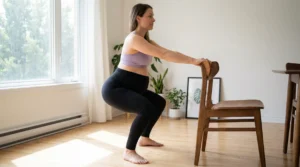
While strengthening is important, so is the ability to relax the pelvic floor. A tense or overly tight pelvic floor can also cause issues and may make delivery more difficult. Gentle stretches can promote flexibility and release tension.
Child’s Pose: Kneel on the floor, sit back on your heels, and then fold forward, resting your forehead on the floor with your arms extended. This pose helps lengthen the pelvic floor.
Deep Squat: Holding onto a sturdy support, lower yourself into a deep squat. This allows the pelvic floor to relax and open, which is great practice for labor. According to the Mayo Clinic, modified squats are a safe and effective exercise during pregnancy.
Common Pelvic Floor Issues During Pregnancy
Even with diligent exercise, you may experience some pelvic floor dysfunction during pregnancy. Knowing what’s normal can provide peace of mind, while understanding the signs of a more significant issue can help you get the care you need.
Incontinence and Pregnancy
Stress urinary incontinence (SUI) is the most common pelvic floor issue, affecting a large percentage of pregnant women. It happens when physical pressure — from a cough, sneeze, laugh, or exercise — overwhelms the sphincter muscles in the bladder. While common, it’s not something you just have to live with. Consistent pelvic floor exercises can significantly improve or even resolve SUI for many women. For more information, Pregnancy, Birth and Baby offers helpful resources on this topic.
Pelvic Pain and Pressure
Some women experience pelvic girdle pain or a feeling of heaviness in the pelvic region. This can be due to the weight of the baby, hormonal changes, or muscle imbalances. Proper posture, supportive footwear, and pelvic floor exercises can help manage these symptoms. If the pain is severe or persistent, it’s important to discuss it with your healthcare provider.
When to Seek Professional Help

While many pelvic floor symptoms are a normal part of pregnancy, you should never hesitate to seek professional guidance. Your journey to motherhood should be a positive one, and getting the right support is a key part of your labor and birth preparation.
Working with a Pelvic Floor Specialist
If you experience persistent pain, severe incontinence, or a feeling of bulging or pressure in your vagina, it may be time to see a pelvic floor physical therapist. These specialists are trained to assess your pelvic floor function and create a personalized treatment plan. They can teach you how to perform exercises correctly, use biofeedback to ensure you’re activating the right muscles, and provide manual therapy to release tension. As experts in prenatal pelvic floor therapy explain, this specialized care can be transformative for managing symptoms and preparing your body for a confident birth and recovery. Don’t hesitate to ask your OB-GYN or midwife for a referral.